Why Your Next Project Needs a Real Los Angeles Sound Studio
I have spent years walking into soundstages and control rooms across Los Angeles, and I can tell you that the difference between a good mix and a great one often comes down to the room itself. When a client asks me where to book their next session, I always point them toward a proper Los Angeles sound studio rather than a garage setup or a temporary rig. The reason is simple: audio post-production is about control, and control requires a purpose-built environment.
Think about what happens when you sit down to mix a commercial spot or a trailer. You are balancing dialogue, music, sound effects, and sometimes voiceover against a tight deadline. A professional room gives you the acoustic neutrality to hear what is actually there, not what the room colorizes. In a city where every frame of sound matters, the quality of the facility sets the ceiling for your work.
What Sets a Professional Space Apart
A serious Los Angeles sound studio is more than a treated room with expensive gear. It is a facility designed from the ground up for critical listening. The isolation between rooms, the calibration of the monitoring system, the placement of the mixing console - these details affect every decision you make. I remember working on a trailer mix in a room that had a slight bass bump around 60 Hz. We kept pulling low end out of the soundtrack, thinking something was wrong with the music, when in fact the room was lying to us. A properly tuned studio eliminates that guesswork.
Good studios also maintain a range of equipment that lets you work flexibly. You will find a modern setup built around Pro Tools and Avid hardware, paired with high-end microphones from Neumann and Sennheiser. The monitoring chain might include a classic analog mixing console alongside a Dolby Atmos rig for immersive formats. That combination of digital precision and analog warmth is hard to replicate on a laptop in a bedroom.

The Role of Specialized Spaces
One of the most valuable resources in audio post-production is a dedicated soundstage. When a Foley artist needs to record footsteps on gravel or the rustle of a leather jacket, they need a large, quiet space with a variety of surfaces. A full-service Los Angeles sound studio often includes a soundstage with adjustable acoustics, allowing the artist to capture clean takes without the noise of traffic or HVAC systems. That kind of environment is essential for Foley work, ADR, and even live recording sessions for trailer music.
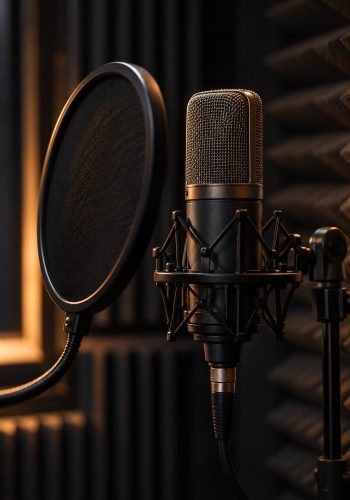
I have watched Foley artists spend hours perfecting the sound of a single sword draw, and the difference between a take recorded in a proper soundstage and one recorded in a closet is night and day. The same goes for voiceover. A vocal booth with a Neumann U87 and proper isolation can make a narrator sound present and intimate, while a reflective room makes them sound distant and amateur.
Why Location Matters for Post-Production
Los Angeles is the heart of the entertainment industry, and that concentration of talent and resources feeds directly into its audio post-production ecosystem. When you book a session at a reputable Los Angeles sound studio, you are not just renting gear. You are buying access to engineers who have worked on major motion pictures, Sound Designers who have collaborated with Skywalker Sound and Lucasfilm, and mixers who understand the specific demands of commercial audio and trailer music.
That network matters. I have been in sessions where an engineer casually mentioned a trick they learned while mixing a film at Skywalker Sound, and that insight saved us hours of troubleshooting. The collective experience in these rooms is immense. People move between studios, share techniques, and push each other to higher standards. Being in Los Angeles means you are part of that conversation.
Gear, but Only as Good as the Ears Using It
It is easy to get seduced by gear lists. A studio might advertise its Avid S6 console, its collection of Sennheiser 416 shotguns, or its Cedar noise reduction system. All of that matters, but the real value is in how that gear is used. A skilled mixing engineer knows when to reach for a particular microphone, how to align a vocal take in Pro Tools, or how to dial in a reverb that places the actor in the right space without muddying the mix.
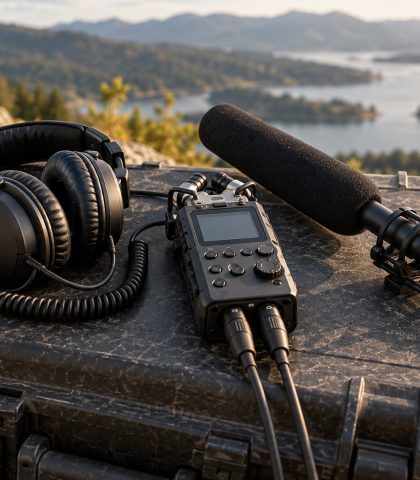
I once worked on a project where the director wanted a specific sense of claustrophobia in a phone booth scene. The Foley artist recorded the door slide and the coin drop on a soundstage, and the Sound Designer processed those sounds with a combination of convolution reverb and dynamic EQ. That kind of craft comes from experience, not from a plugin preset. A studio that hires people who understand storytelling will deliver better results than one that simply owns expensive gear.
The Shift to Immersive Audio
Dolby Atmos has changed the landscape of audio post-production. More trailers, commercials, and streaming content are being mixed in immersive formats, and that requires both compatible monitoring and engineers who understand object-based mixing. A forward-thinking Los Angeles sound studio invests in Atmos certification and maintains a room that can accurately render a 7.1.4 or larger configuration.
I have mixed in Atmos rooms where the overhead speakers were poorly calibrated, and the result was a gimmicky, disorienting experience. A proper Atmos setup is precise. Each speaker must be time-aligned and level-matched, and the room must be tuned to the format specifications. When a studio takes that seriously, the soundtrack feels natural and enveloping rather than distracting.
Practical Considerations for Booking a Session
When you are evaluating a facility, look past the brochure. Ask about their maintenance schedule, their monitoring system calibration, and the experience of their staff. A room that uses Cedar for noise reduction shows an attention to detail that carries through to every aspect of the mix. Check whether they have a dedicated Foley stage, a voiceover booth, and a comfortable client area. You will be spending hours in that space, so acoustics and ergonomics both matter.
Another factor is workflow compatibility. If your project is built in Pro Tools, make sure the studio runs a compatible version and has the necessary plugins. Some facilities offer a range of Avid interfaces, from HDX to Carbon, and the choice affects latency and track count. A good studio will discuss your needs before you arrive and prepare the session accordingly.
The Bottom Line on Location and Quality
Los Angeles remains one of the best cities in the world for audio post-production, and the reason is the concentration of talent, history, and purpose-built facilities. Whether you are mixing a 30-second commercial spot or a feature-length documentary, the right Los Angeles sound studio gives you the tools and the expertise to make your project sound its best. The walls of those rooms have heard everything from whispered ADR to earth-shaking trailer music, and that collective memory informs every session.
I have seen projects transform in a matter of hours simply because the engineer knew how to route a signal, the room was quiet, and the monitoring was honest. That is the value of a professional facility. It does not replace creativity, but it removes obstacles so creativity can flow. If your work demands accuracy, depth, and polish, find a studio that takes those things seriously. Your soundtrack will thank you.